

ADVENTURE SERIES
A collection of QUOC rider stories from the front lines of monumental cycling efforts. From cross-country ultras and bikepacking epochs to intense Everesting challenges, the series documents the raw pursuit of pushing human limits, using the bike as a tool for ultimate exploration.
Julien and Simon: Forced to Have Fun
Julien Gravaud and Simon Taulelle’s partnership is built on racing hard, looking out for each other and never taking things too seriously. Based between Biarritz and Marseille, they first met in 2019 during an ultra-cycling event at 2,000 metres above sea level, in the middle of a storm named Miguel. While most people tried to avoid it, they pedalled straight into it. Somewhere between the gusts and the rain, a lifelong friendship was born.
Since then, they’ve raced across road, gravel and mountain biking, finding their stride in ultra-endurance. In 2026, they lined up for the inaugural Taurus Mountain Race, a 1,450-kilometre challenge through Turkey’s wild Taurus Mountains, with steep climbs, remote roads and high mountain plateaus ahead. After three and a half days and around 450 kilometres, just as they’d begun to find their rhythm, extreme weather and impassable mud forced the organisers to cancel the race. With the finish line no longer the objective, Simon and Julien found themselves with an unexpected opportunity to discover a different side of Turkey — and a new way to measure the adventure.

The Race That Wasn’t
What drew you to the Taurus Mountain Race in the first place? Was there a particular outcome you were hoping for when you first signed up?
Julien: The pure call of adventure. Turkey had been on our radar for a long time—the dramatic crossroads between Europe, Asia, and the Middle East. Our aim there was to push the remoteness up a notch, take in some mind-blowing views, and survive to see more the day after. It was also our first time packing a tent, a stove, freeze-dried food, and—sacrilege or salvation?—instant coffee for a race. Turns out, we loved it a looooot!
Simon: Julien and I have a weak spot for inaugural editions; nothing beats the thrill of heading into the absolute unknown. Plus, what could be more beaver-like than pitching a shelter, brewing a little beaver broth, and smugly watching torrential rain hit the tarp?
Julien: All while lounging in full beaver pyjamas. The exact kind of evening that makes you slap your flat tail in pure satisfaction.
The race was cancelled after you'd covered around 450 kilometres. What happened?
Simon: The race was cancelled for weather and safety reasons. Two of the organisers' cars got stuck in the mud, and they had to rebuild the road around one of them to get it out. At that point, they couldn't guarantee the riders' safety anymore. CP2 became the official finish, and from there we could head straight to the coastal arrival.
Julien: The authorities were really worried about people being up in the mountains. We weren't allowed above 2,000 metres for several days. And some riders did need rescuing — four from the top ten were pulled out by mountain rescue. Even riders who are used to extreme conditions admitted that going up there had been a mistake.
How far had you got, and how were you feeling about the race?
Simon: We'd covered about 450 kilometres out of 1,450. The first few days were tough, but we'd just started finding our rhythm. The climbs were ridiculous — I saw 33 per cent on my GPS for the first time. We were probably carrying too much food because we'd expected the route to be more remote, but we were finding enough food and water. We later heard we were around the top five pairs, so there might have been a podium in it.
Julien: That's really the main thing. We would have loved to see the rest of the route, especially the plateaus up around 3,000 metres. There's unfinished business there.
Bricks, Broken Bikes And A Last-Minute Repair
The conditions sounded pretty extreme. How bad was the mud?
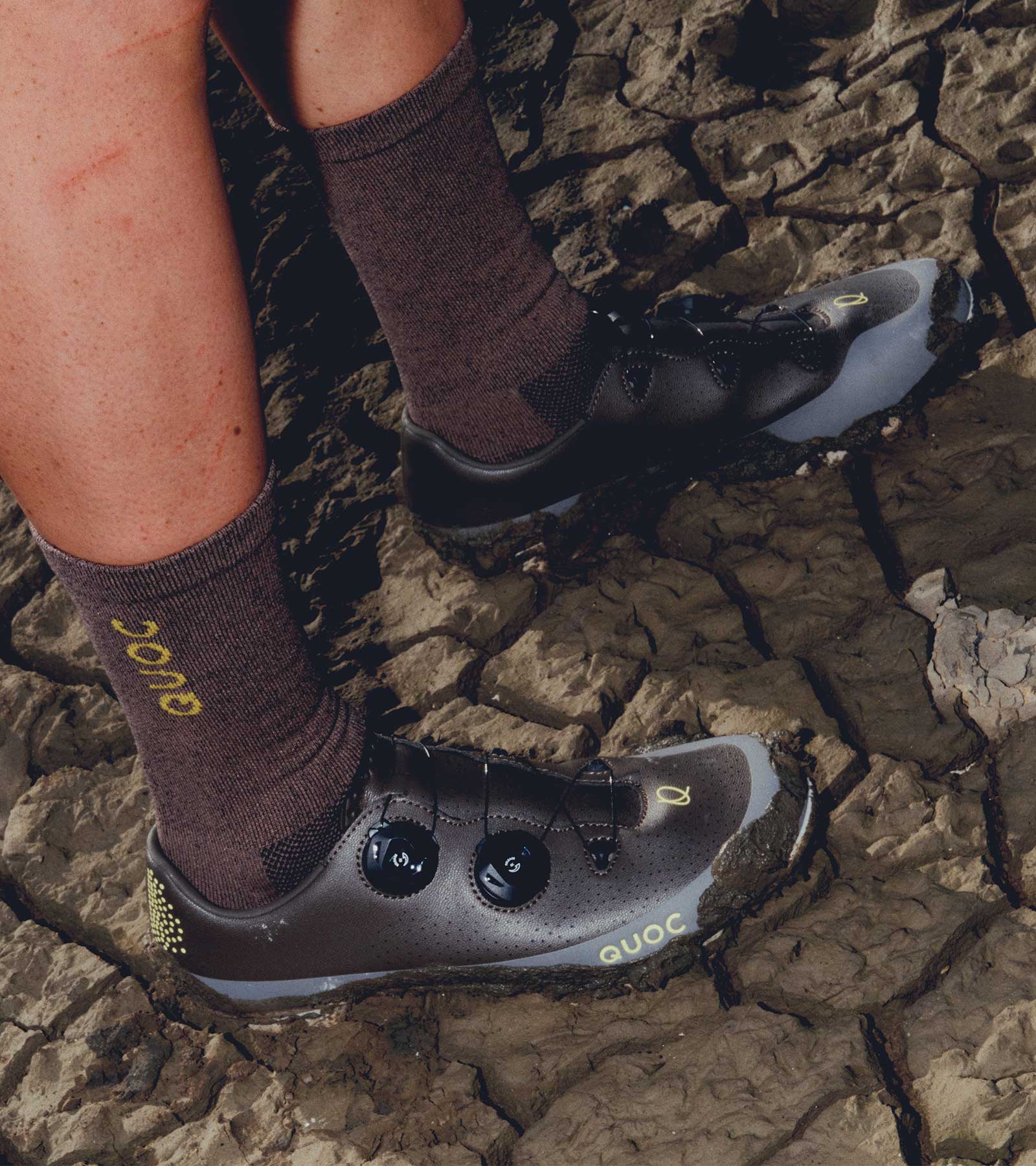
Simon: Honestly, I've never seen mud that sticky. You could have built a house with it. I grew up in Brittany, so I know a bit about mud, but this was something else. You'd think, “Great idea, let's cut through the field next to it,” and end up making bricks.
Julien: We literally manufactured bricks.
What about the equipment? Did the conditions take their toll on the bikes?
Simon: Absolutely. We had friends whose bikes were wrecked — bearings, freehubs, suspension, headsets. We left with two brand-new bikes, and they were a bit less new by the end.
We'd deliberately chosen a mechanical Shimano GRX drivetrain. At the back of beyond, if a derailleur fails, you're much more likely to find a replacement or a cable than a specific electronic component. It's about being able to fix things with what's available.

Forced To Have Fun
Once the race was cancelled, did it feel like a disappointment or an opportunity?
Simon: We fully respected the organisers' decision. It can't have been easy, and safety has to come first. Of course we'd have loved to ride the whole route, but once it was cancelled, we had to make the best of what we had.
Julien: For us, having fun is the objective number one. We want to ride, take photos and bring back memories for ourselves, our families and our friends — stories to tell at dinner when we get home.
We realised that for some people, when the race was cancelled, they couldn't have fun anymore. We didn't really understand that, because we're not wired like them. It's a shame to take your sport so seriously that you can't step back and enjoy the experience.
Simon: We're a bit anti-post, honestly, even when things go well. And even more so when they don't, because then it's all excuses and justifications about what would have happened. We'd have loved to ride further, but we didn't. Instead, we ate skewers and went to Turkish baths, and it was hilarious.

A Different Kind Of Adventure
What did those unexpected days in Turkey look like?
Julien: In the end, we had three and a half days of racing and three and a half days of holiday. As Justinas said, “School's out, now it's time for the banquet and the cultural encounters.”
We went to markets, watched concerts and found ourselves in Turkish baths we'd never tried before. We played tourists in our limited supply of already dirty clothes and tried to communicate with people using Google Translate.
Simon: We wouldn't have met all those people if the race hadn't been cancelled. If we'd spent eight days riding, we'd have had incredible memories of the route. But we wouldn't have spent those evenings talking about life with people from different villages or finding ourselves in all those funny situations.
Does that change how you think about what makes a successful race?
Julien: I don't think it changes why we ride. We'd have loved to finish the route, and we still want to go back and see what we missed. But the result isn't everything. We were lucky to be outdoors, somewhere new, meeting people. Even when the race didn't go to plan, there was still a lot to enjoy.
Unfinished Business
Would you return to the Taurus Mountain Race?
Simon: Definitely. There's unfinished business, and we'd love to see the rest of the map. We found our rhythm just as the race ended, so we'd like another chance to find out what we could do.
But we came away with a lot more than we expected. The race was cut short; the adventure wasn't.
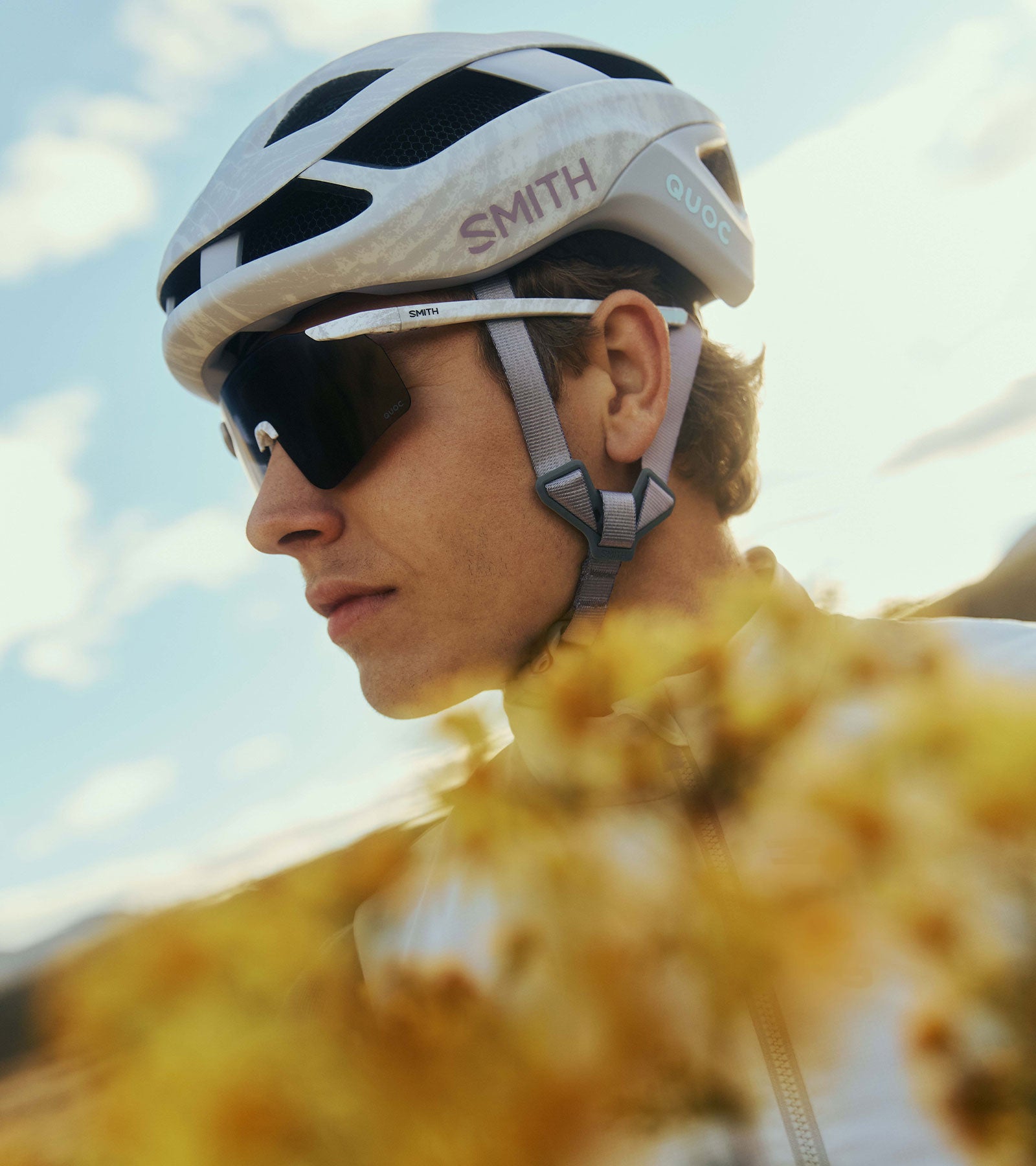
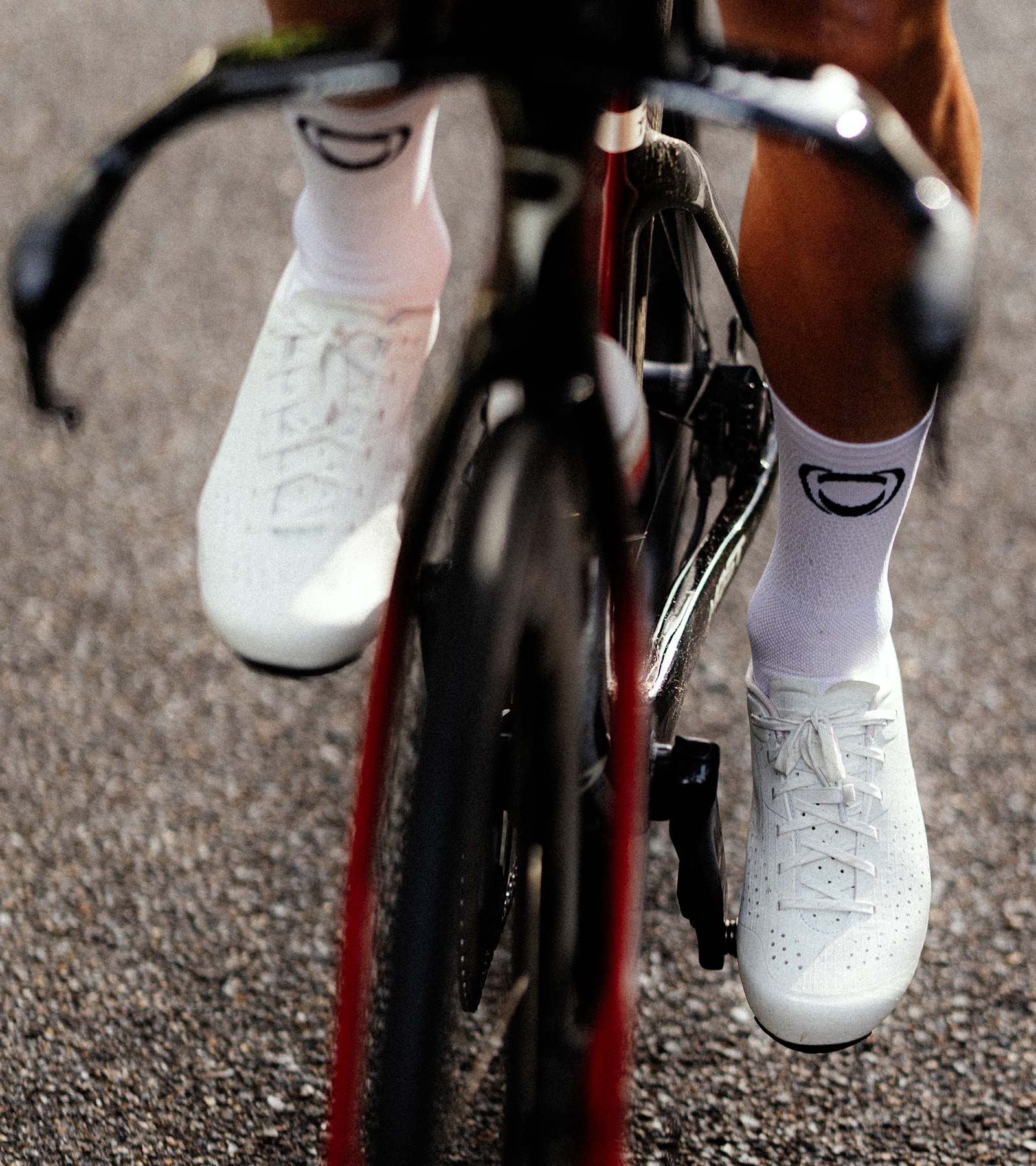
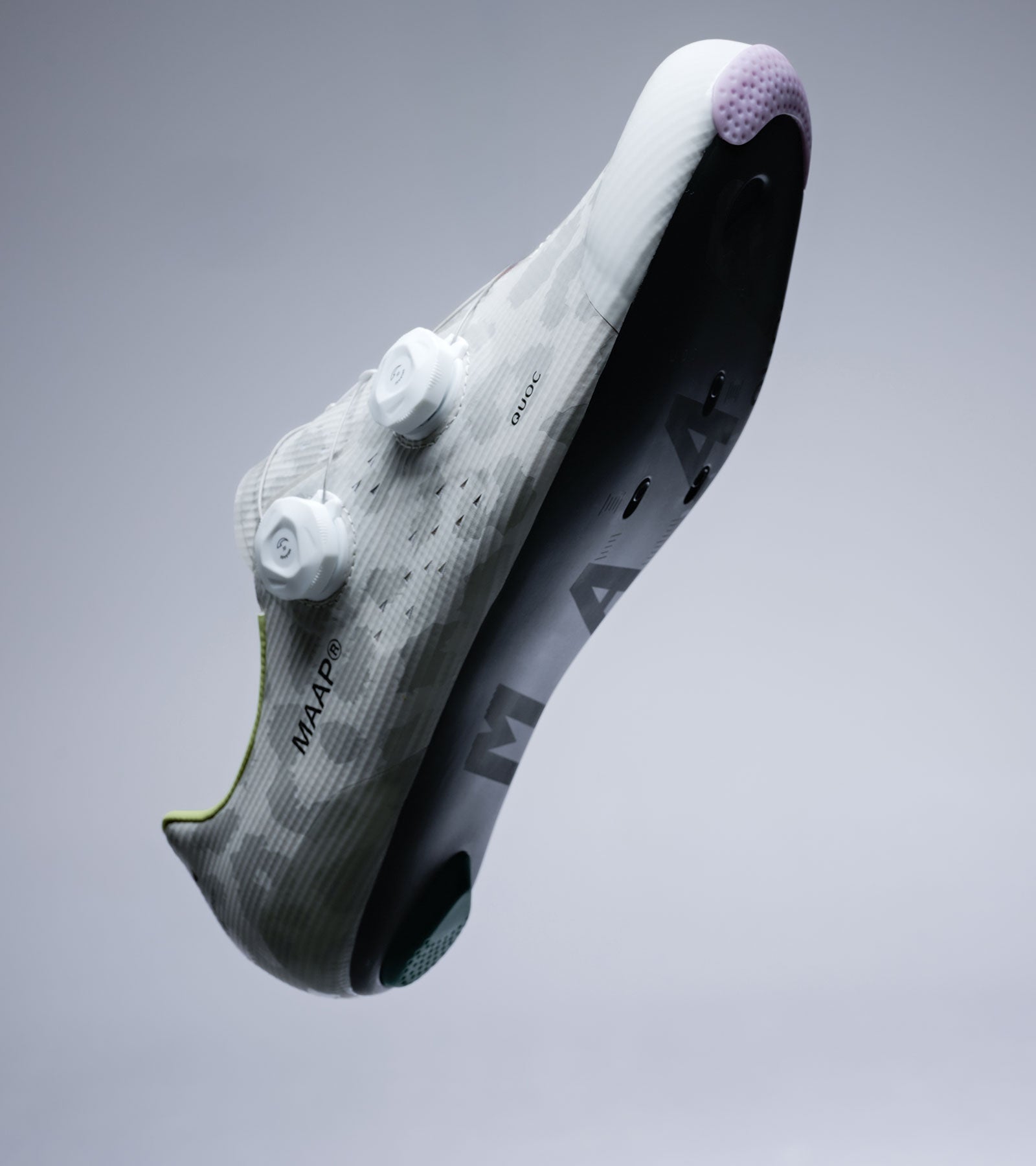
What Julien and Simon Wear: