


Florian Vermeersch: Strength Beyond the Road
A Conversation with Florian Vermeersch.
Belgian Classics racer and 2025 Gravel World Champion Florian Vermeersch sits down with QUOC to discuss the fighting spirit behind his cobbled pedigree, the freedom he finds off-road, and the solo attack that finally brought the rainbow stripes home.
“It was more than a victory. It was about closing the chapter on my injury. Mentally, it really meant a lot to win again.”
— FLORIAN

How did you get into cycling?
I got into cycling when I was nine. Before that, I played soccer for the local club with my friends, but one day my dad came home from work after spotting a small race bike in a local shop. He was part of an amateur club and rode a few times a week himself. We went to my first race soon after, and I loved it instantly. I quit soccer because it was hard to combine with racing at weekends, but my love for football is still there. I'm a big Newcastle United fan and follow them closely. When I retire from cycling, I definitely want to play again.
How does it feel to race in Belgium, in front of a home crowd?
Racing in Belgium is one of the best feelings in the world. The cheering of the crowd is something you can’t compare to anything else and it still gives me goosebumps every time. The fact that my family and friends can come and watch gives me a lot of joy.
“Finishing second in my first participation made it even more special and believing I can win it one day still gives me a lot of excitement.”
— FLORIAN
What is it about the Spring Classics that makes them a favourite?
The Classics require very specific skills. I’m lucky to live close to the parcours in Flanders, so I can ride the courses regularly. The way people here live and breathe cycling makes it special. On the big days it feels like the whole country comes to a standstill and all that matters is the race.
Tell us about your relationship with Paris-Roubaix.
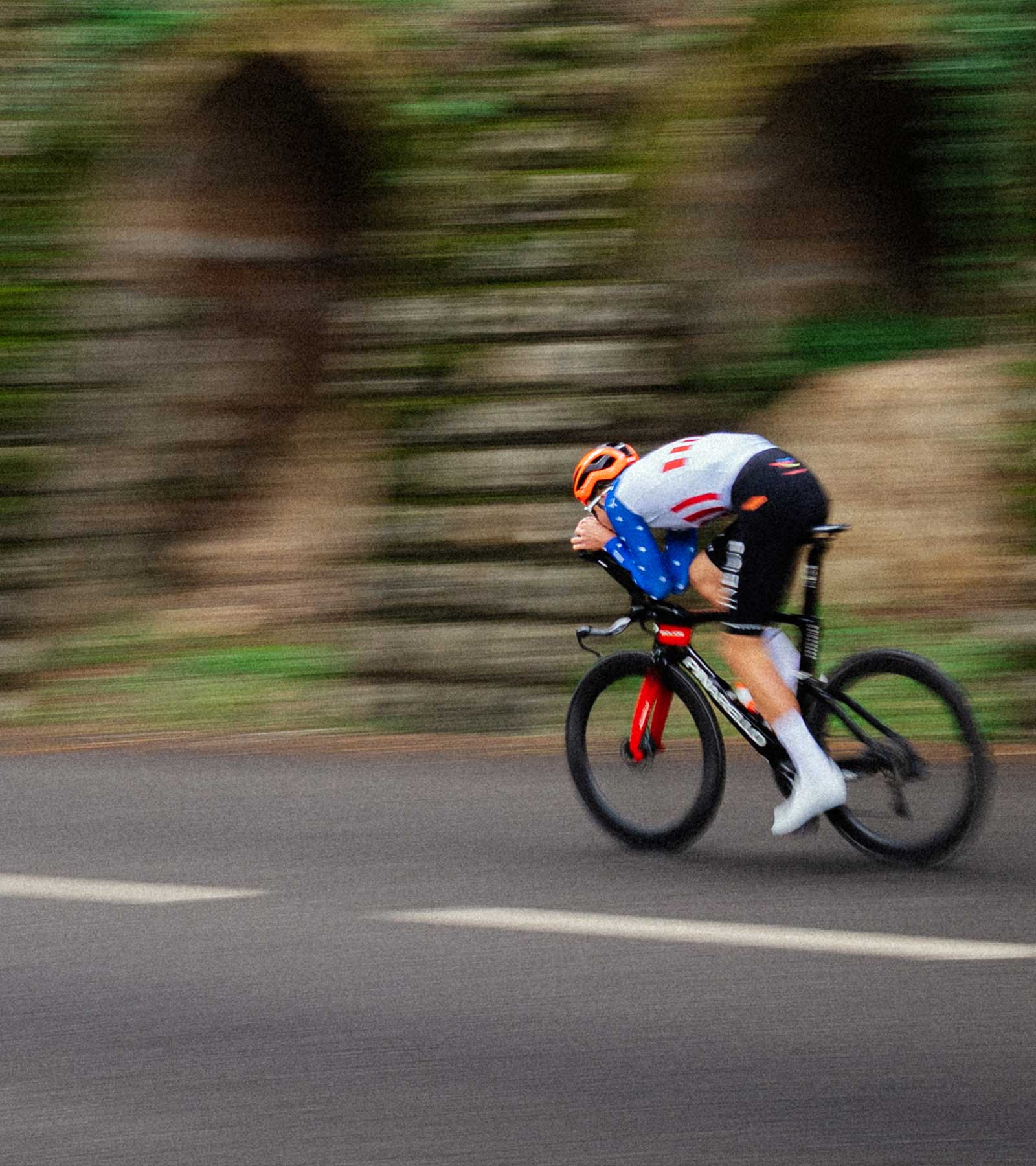
I have a very special relationship with Paris-Roubaix. It suits my abilities: endurance, strength, technical skill and fighting spirit. Those are the qualities that describe me best as a cyclist, and they’re exactly what that race demands. Finishing second in my first participation made it even more special and believing I can win it one day still gives me a lot of excitement. Those same qualities are also what you need in gravel racing, which is why I think gravel suits me well, too.

What does gravel riding mean to you on a personal level?
Gravel started as a way to make good training while switching things up. There’s a certain freedom to it because you access roads and trails you’d never take as a road cyclist. Where I live, we don't have the best gravel roads, but anywhere else in Europe or the world I love exploring off-road. It’s the unknown and the connection with nature that I really love.
You've returned to the Gravel World Championships a few years in a row, coming close more than once. What kept bringing you back?
A few reasons. The most obvious is that I really enjoy gravel racing and want to keep doing it. Then there’s the unfinished business: I finished second two years in a row and felt I had something to settle. Now that's out of the way, it’s purely about having fun, which makes it even better. The timing helps too. It falls at the end of the season, so it’s always a bit easier to fit into the schedule.
When you launched your solo attack, what told you it was the moment to commit?
It just felt right. I knew it was one of the last hard sections on the course and I had to make the race as hard as possible. That way, my chances would be the highest.
After an early puncture and relentless pressure from the field, how did you stay calm?
It’s hard to describe, but that day I never felt any pressure. When I punctured, I somehow stayed calm because I knew how hard the race was going to be and that I still had time to come back. I believe that when you're having one of your best days, a certain calmness takes over. You just trust that everything will come together in the end.

What does gravel racing demand of athletes that road racing doesn't?
Gravel racing is more of a solo or family effort. Every gravel race I’ve done, I arranged my own support on race day. It requires more organisation from yourself because the team isn't there to help. But that’s something I like about it. The family atmosphere, the more relaxed feel. It's different, and I enjoy that.
How do you define your performance on a day like the Worlds?
I think it comes down to focusing on myself and my own race. I’m not thinking too much about the other competitors. Of course, you need really good legs to be up there, but I was already confident in the days beforehand. Sometimes everything just feels good, and that week it definitely did.
“When you’re having one of your best days, a certain calmness takes over. You just trust that everything will come together in the end.”
— FLORIAN
What role does equipment play in giving you confidence to make decisive moves?
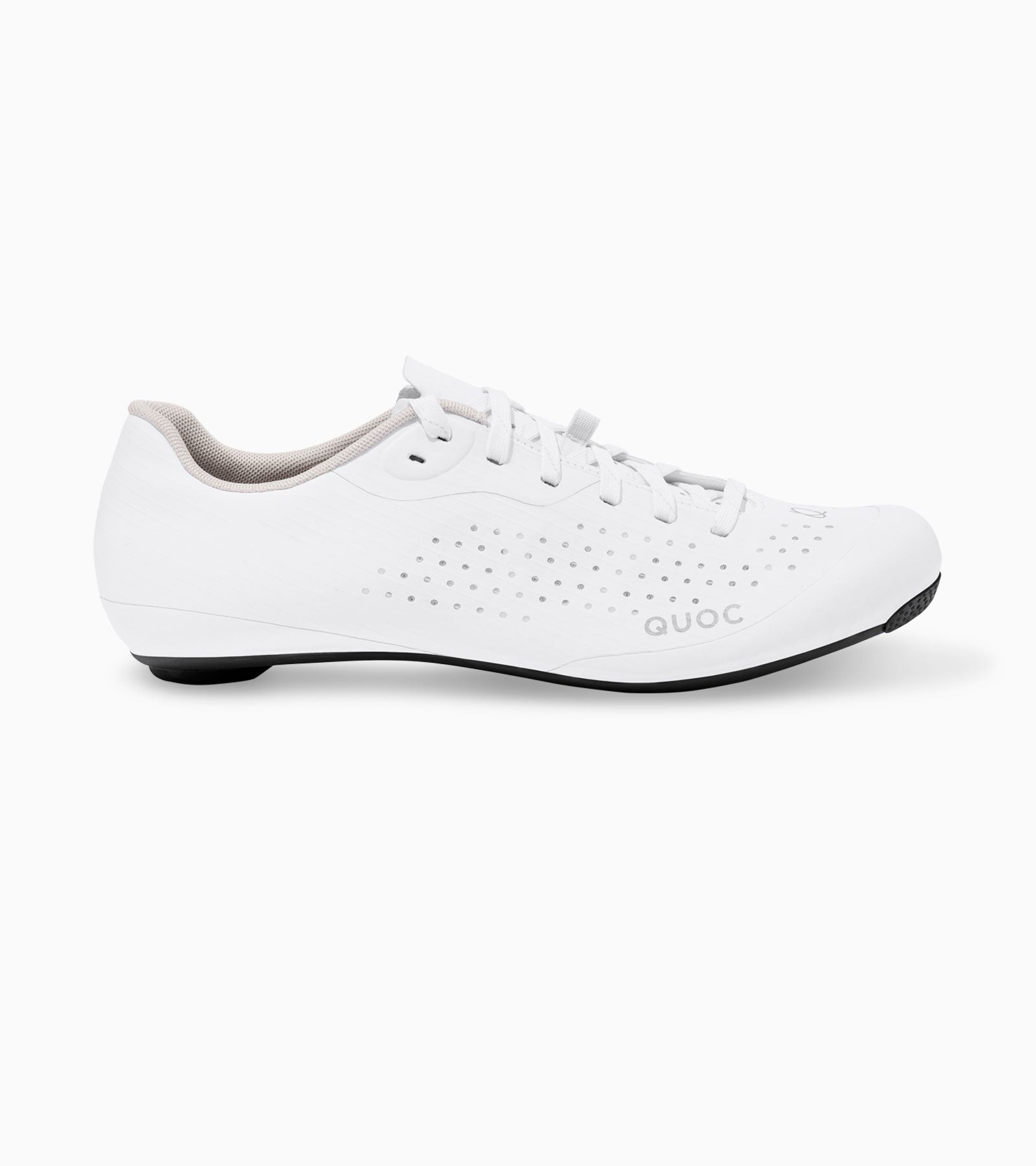
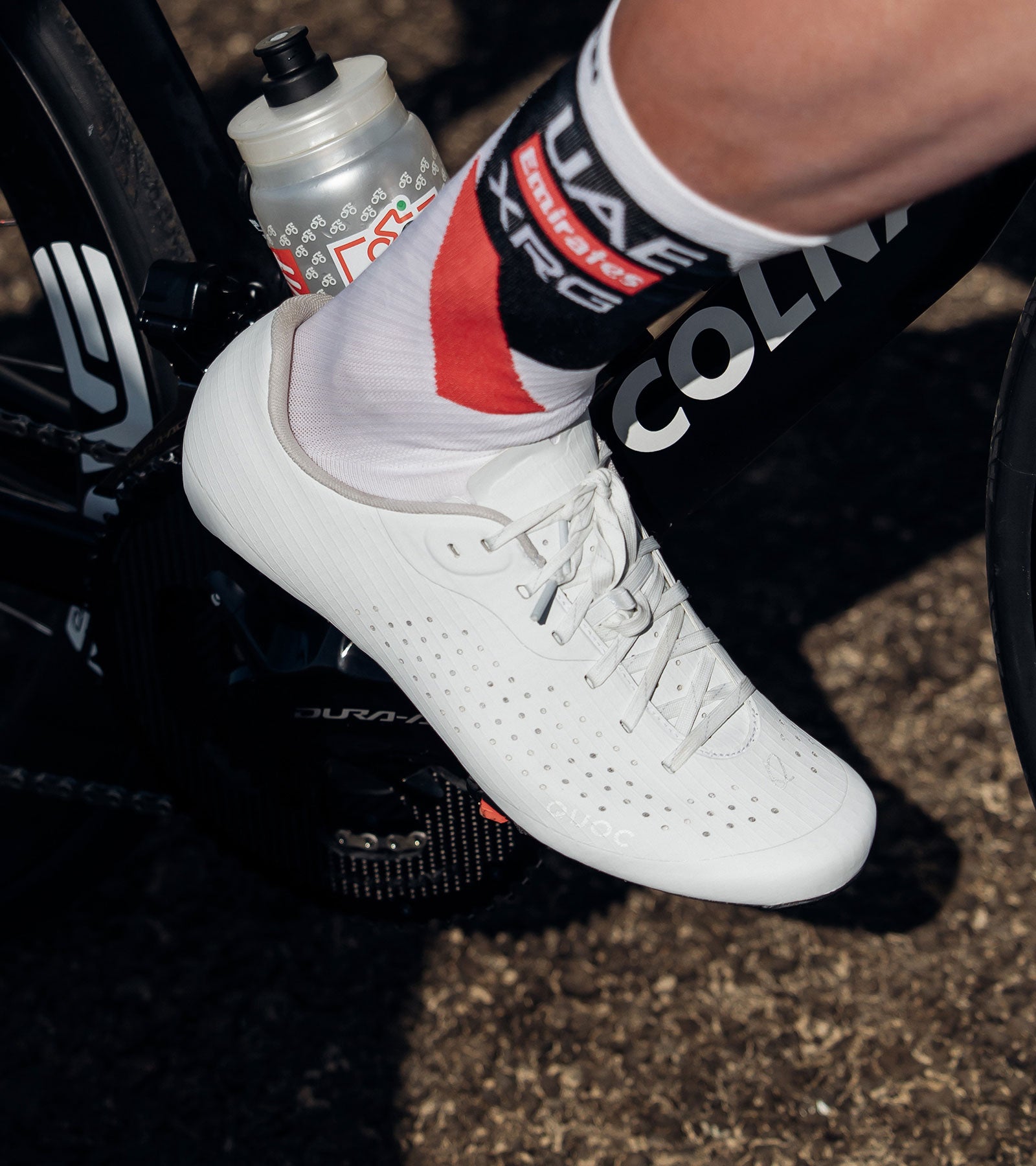
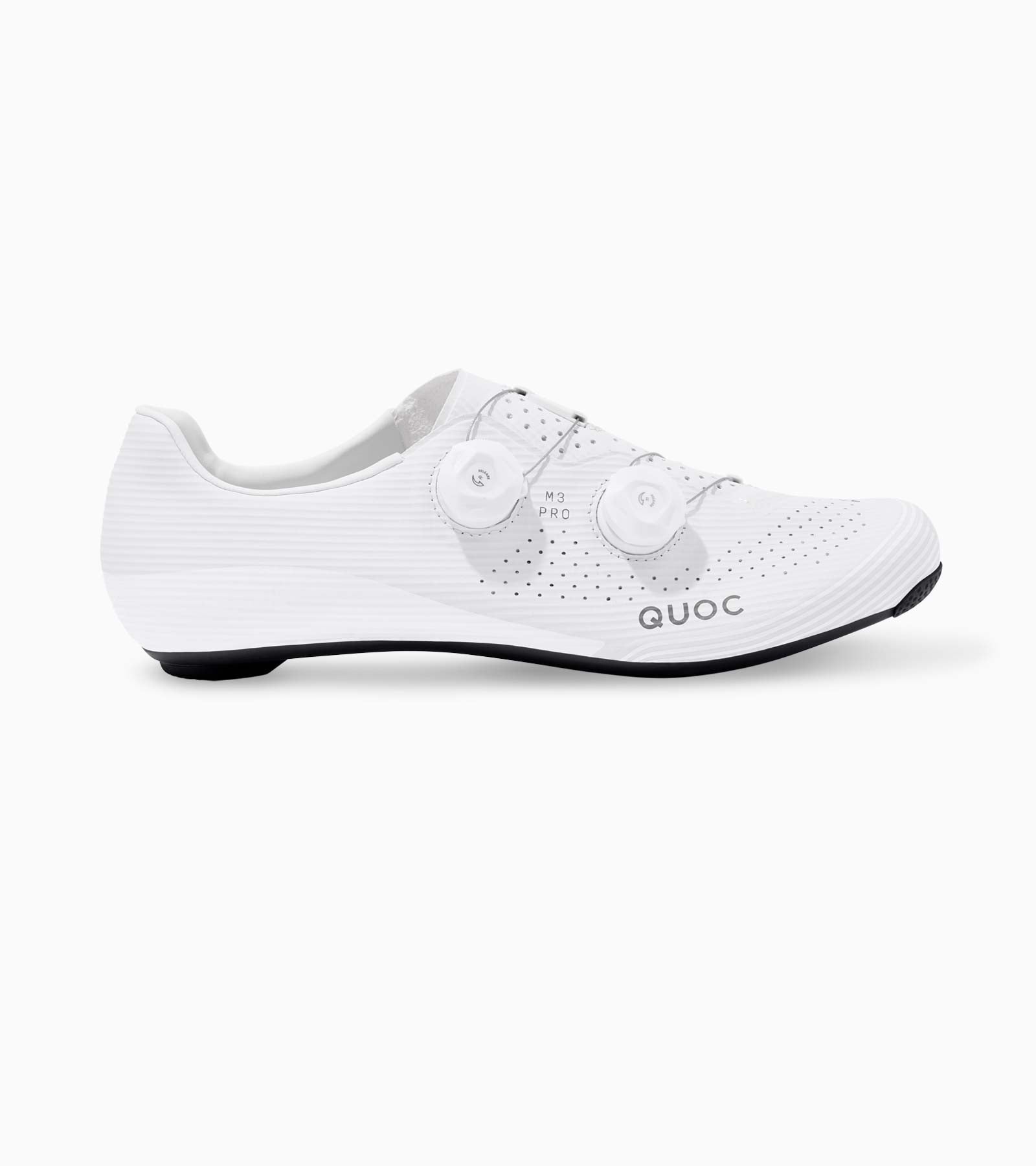
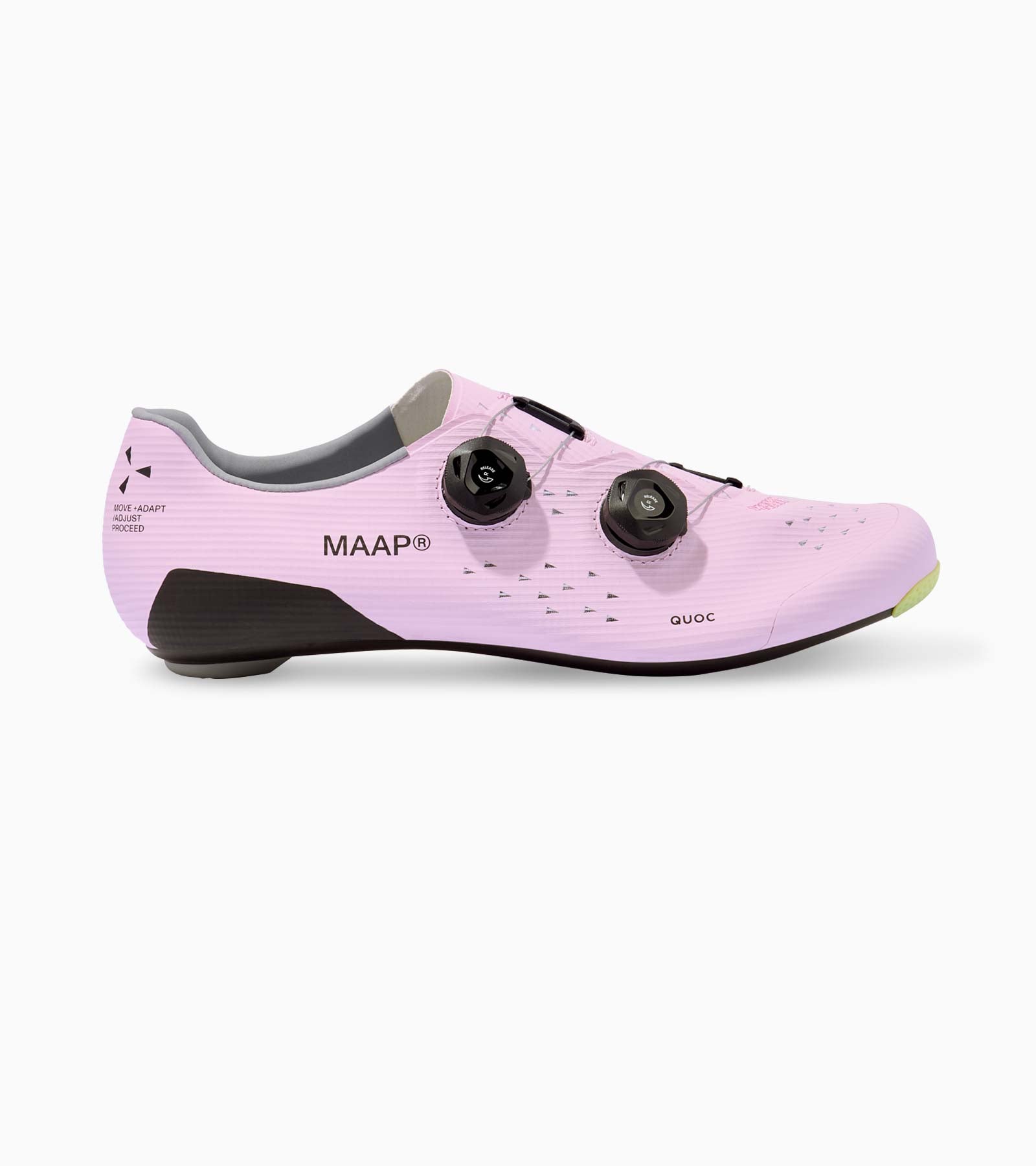
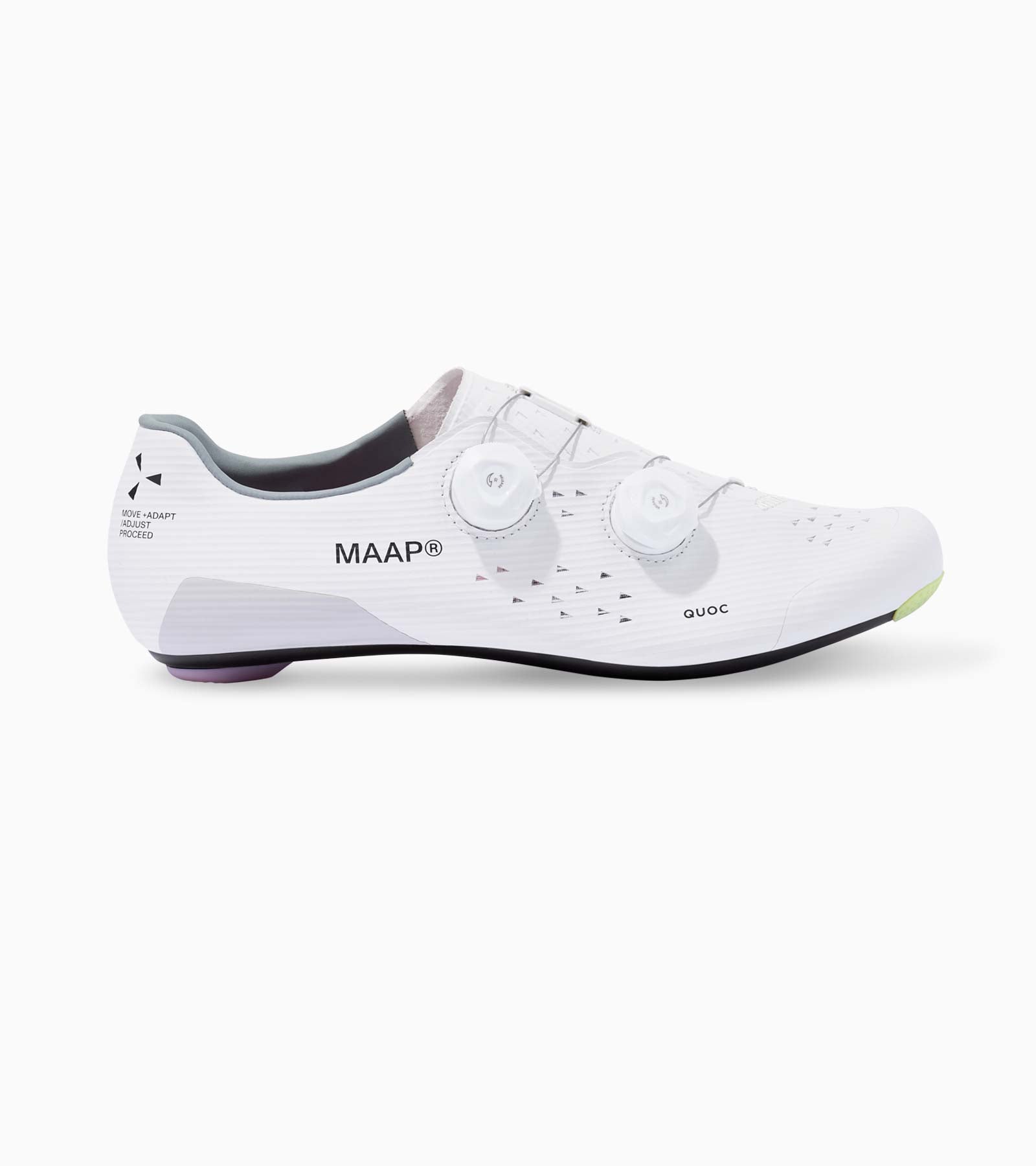
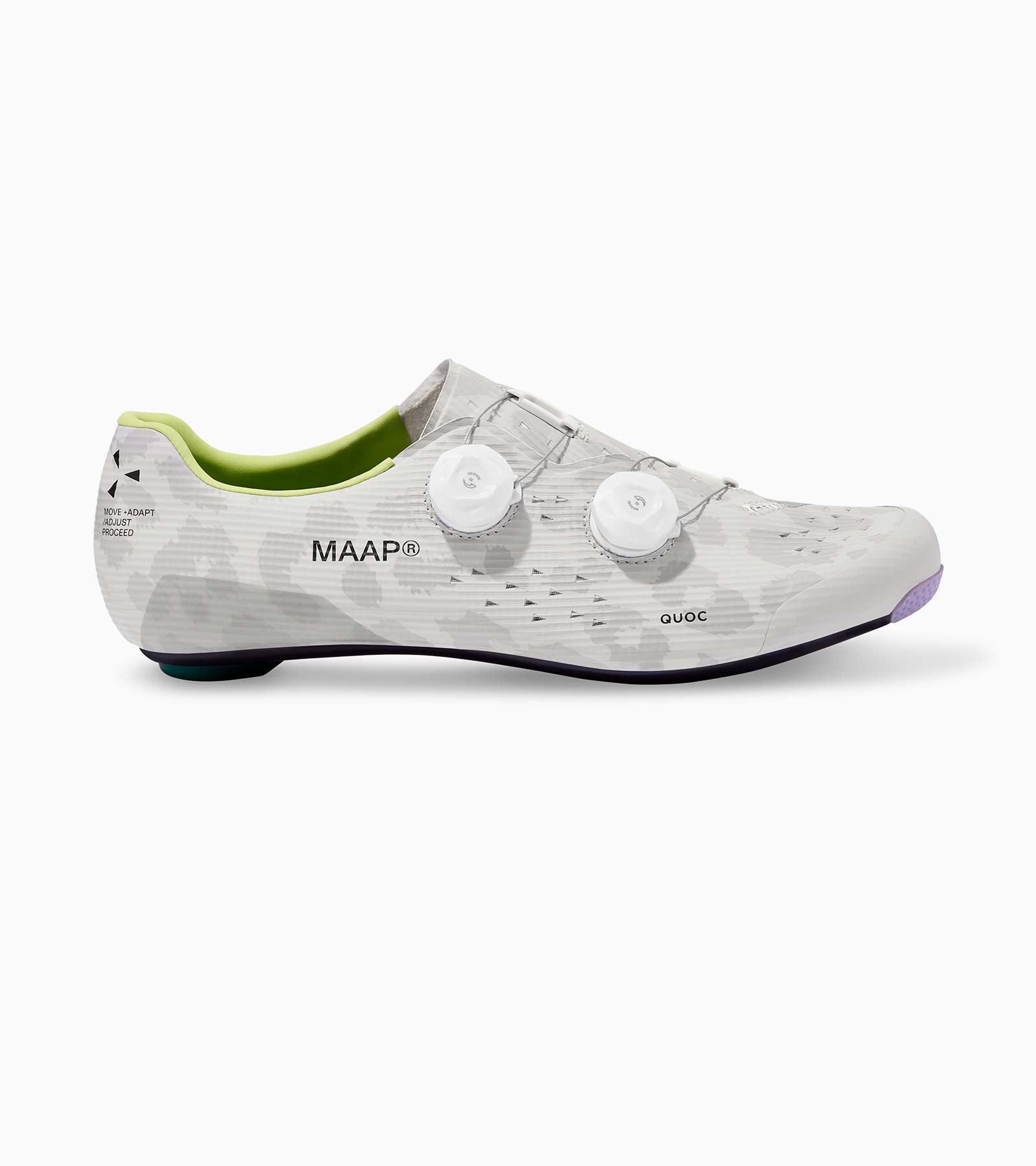
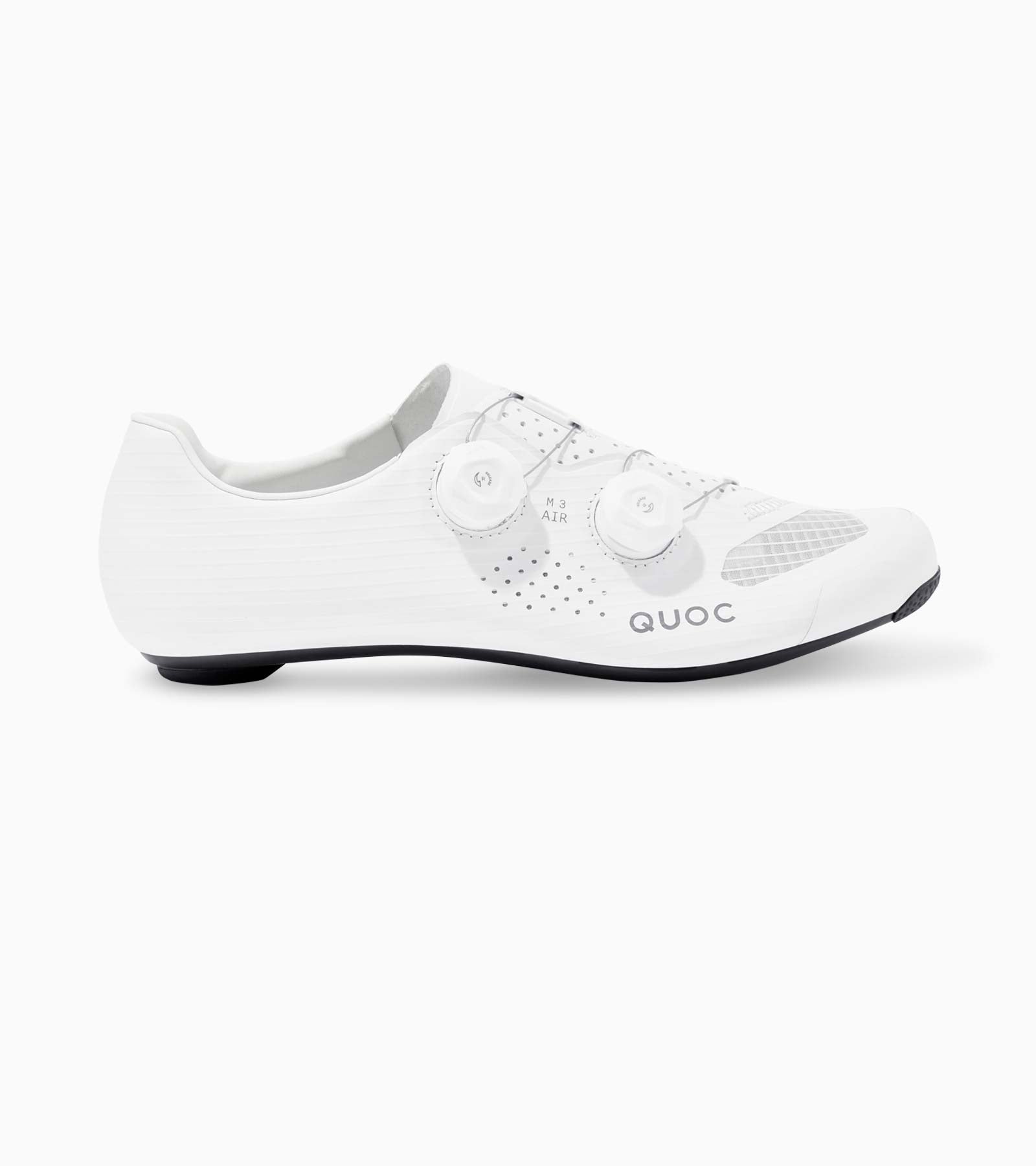
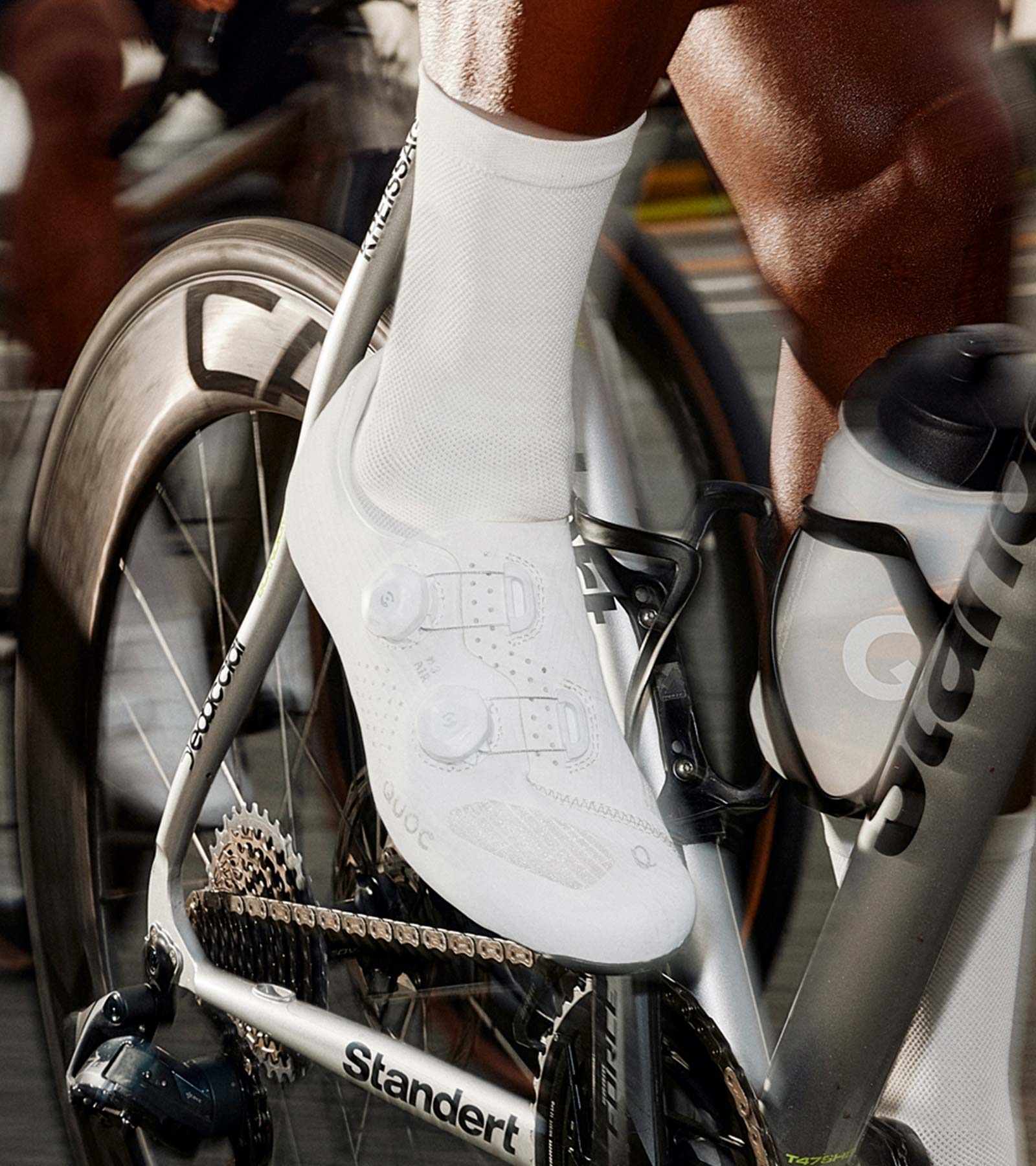
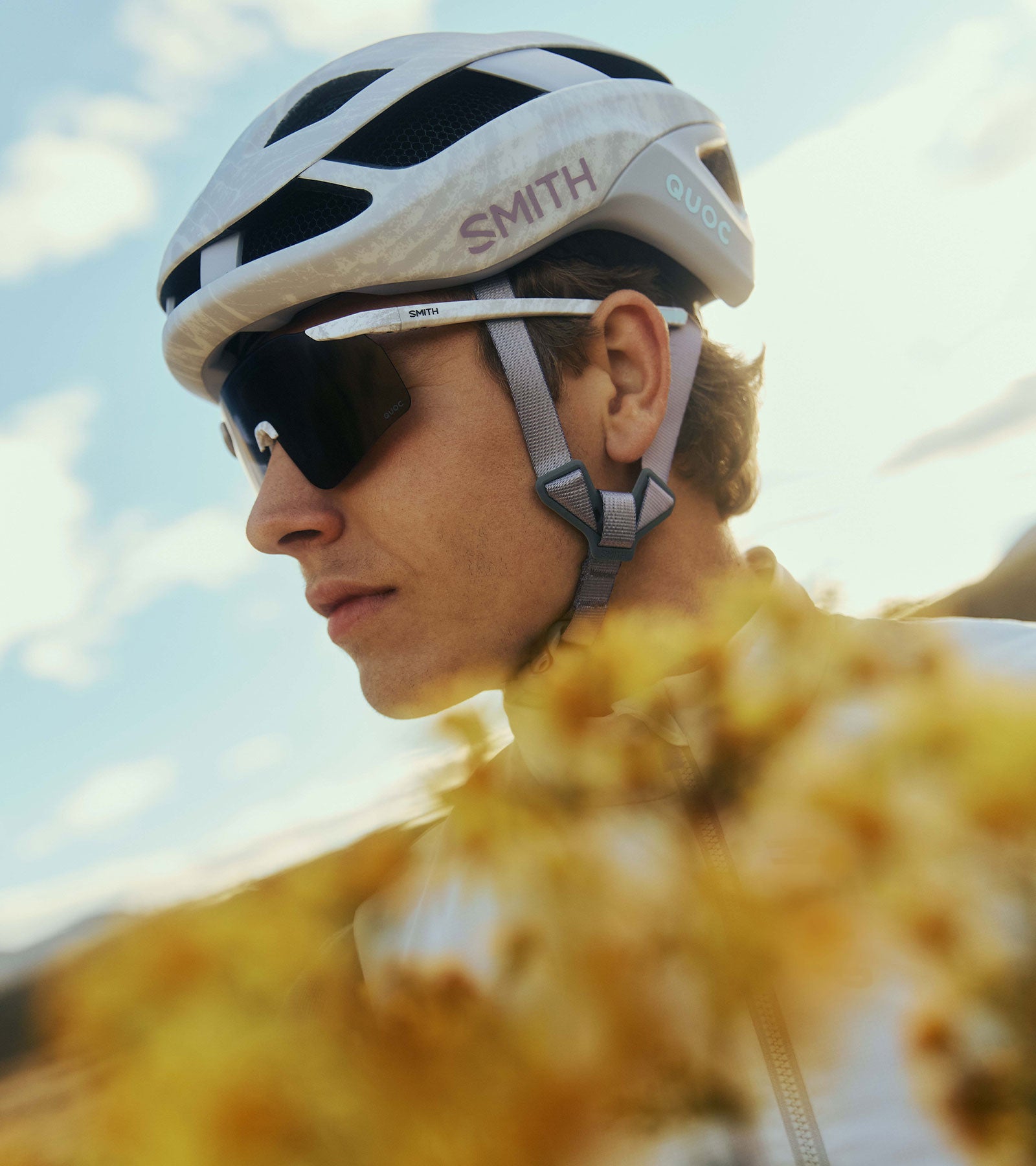
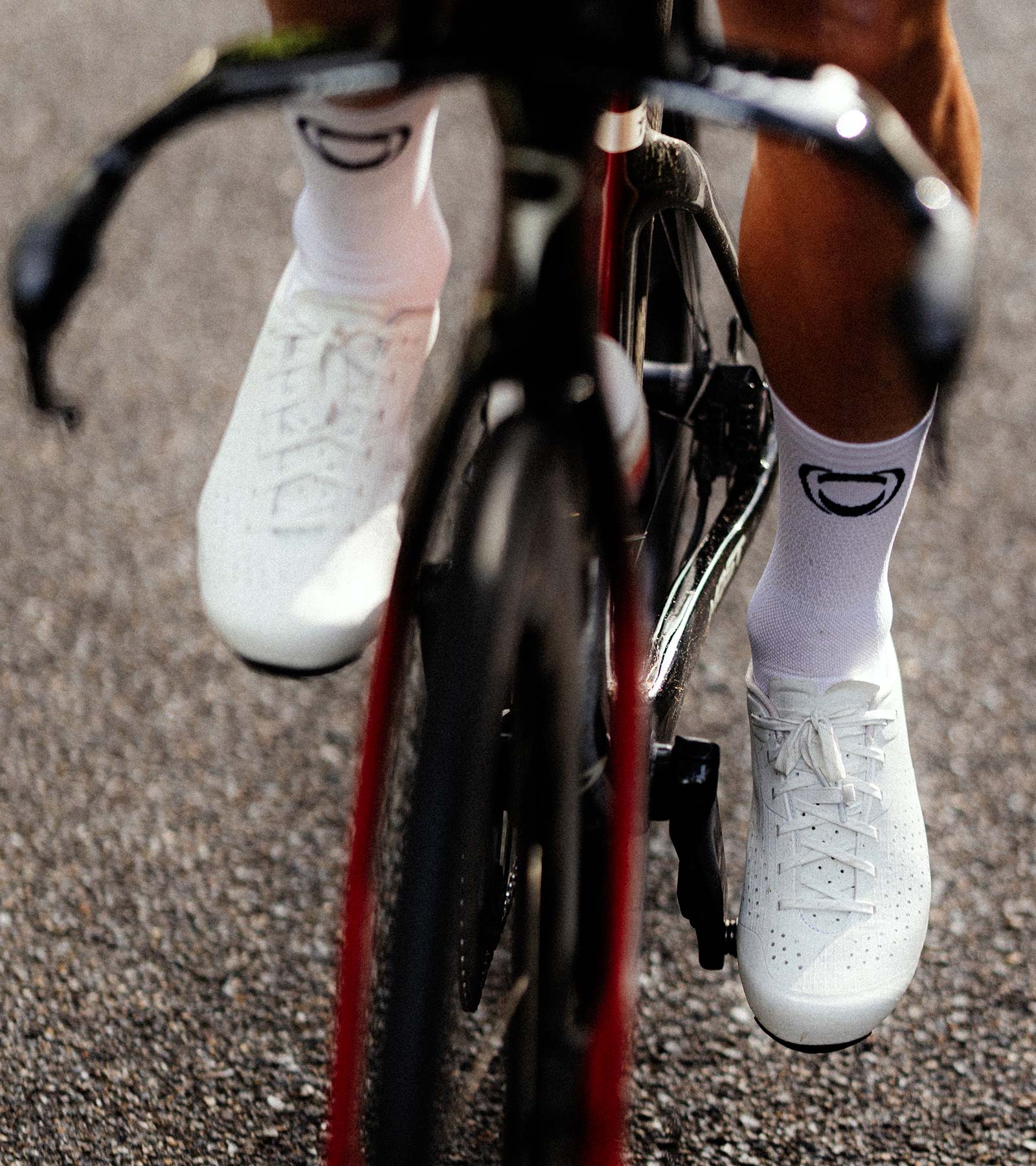
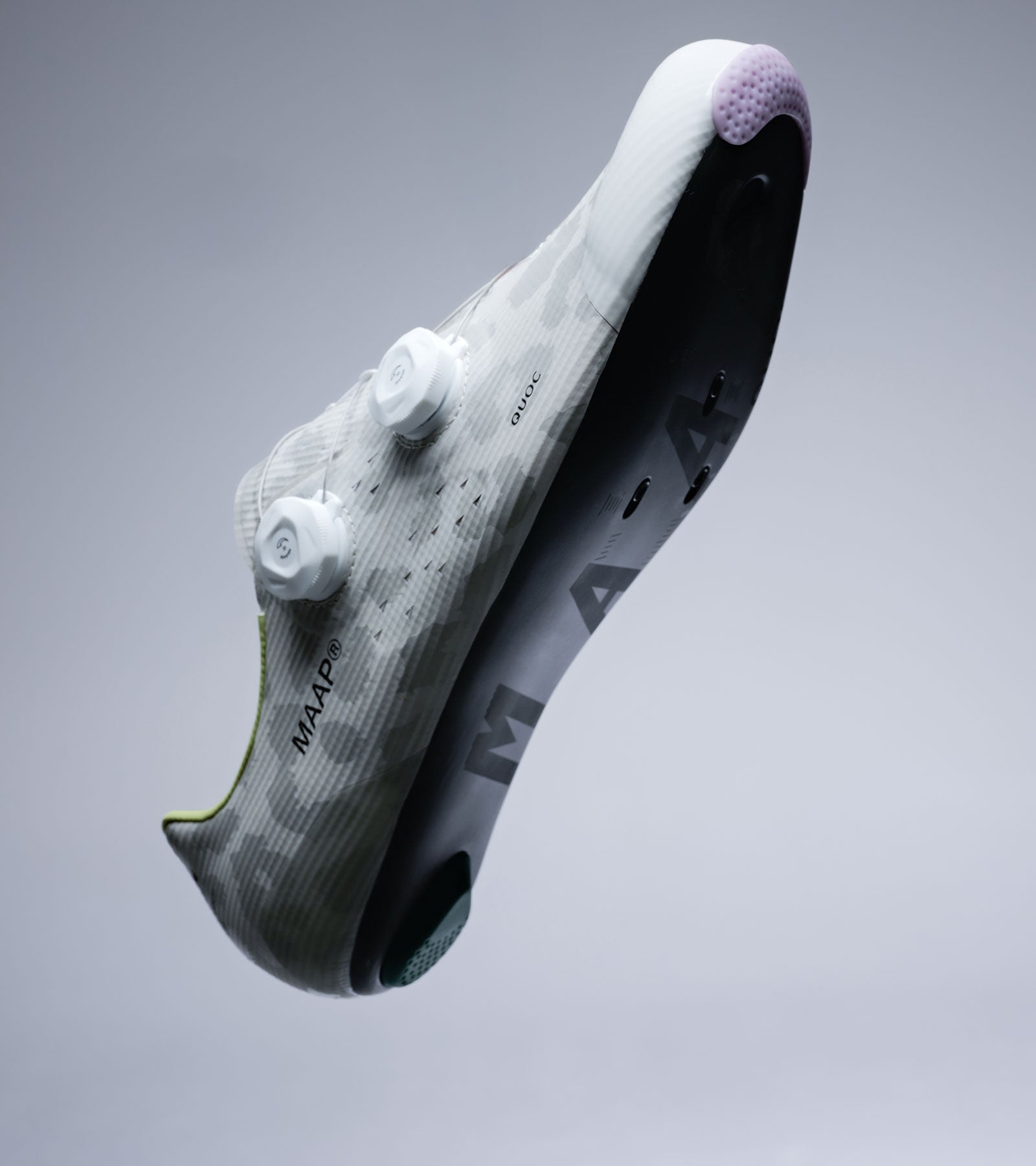
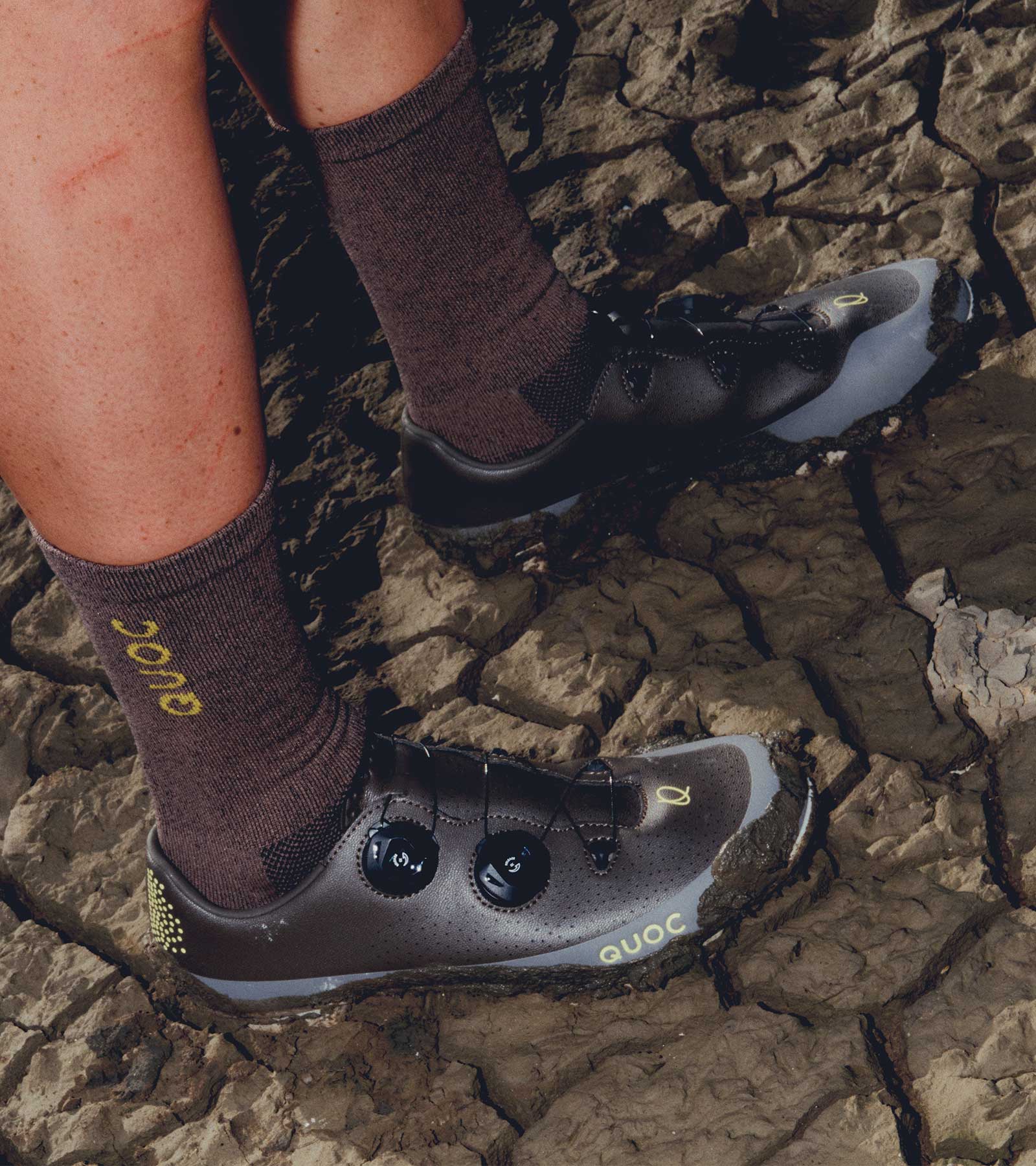
Confidence in your equipment is key. Gravel racing is very equipment-dependent and it requires total trust in your gear. I’m fortunate to be in a position where I don't have to worry about that. I have the best equipment available through the team and through personal partners like QUOC, which I’m very grateful for.
Winning the rainbow stripes solo is rare. What did that moment mean to you beyond the result?
It was more than a victory. It was about closing the chapter on my injury. In 2023 I broke my femur, and the Worlds was my first win since that day. Mentally, it really meant a lot to be able to win again.
How do you hope this World Championship shapes the future of your riding?
Gravel racing will always have its place in my calendar. As a road cyclist it’s not easy to do many gravel races, but I’m sure I’ll do more in the future. Road racing has my priority for now, but I’ll never set gravel aside. I enjoy it too much.
What Florian Wears: