

Quoc Pham: The Practice of Paying Attention
QUOC’s founder on how seaweed, film cameras, handwritten notes and overlooked sensory details quietly shape what comes next.
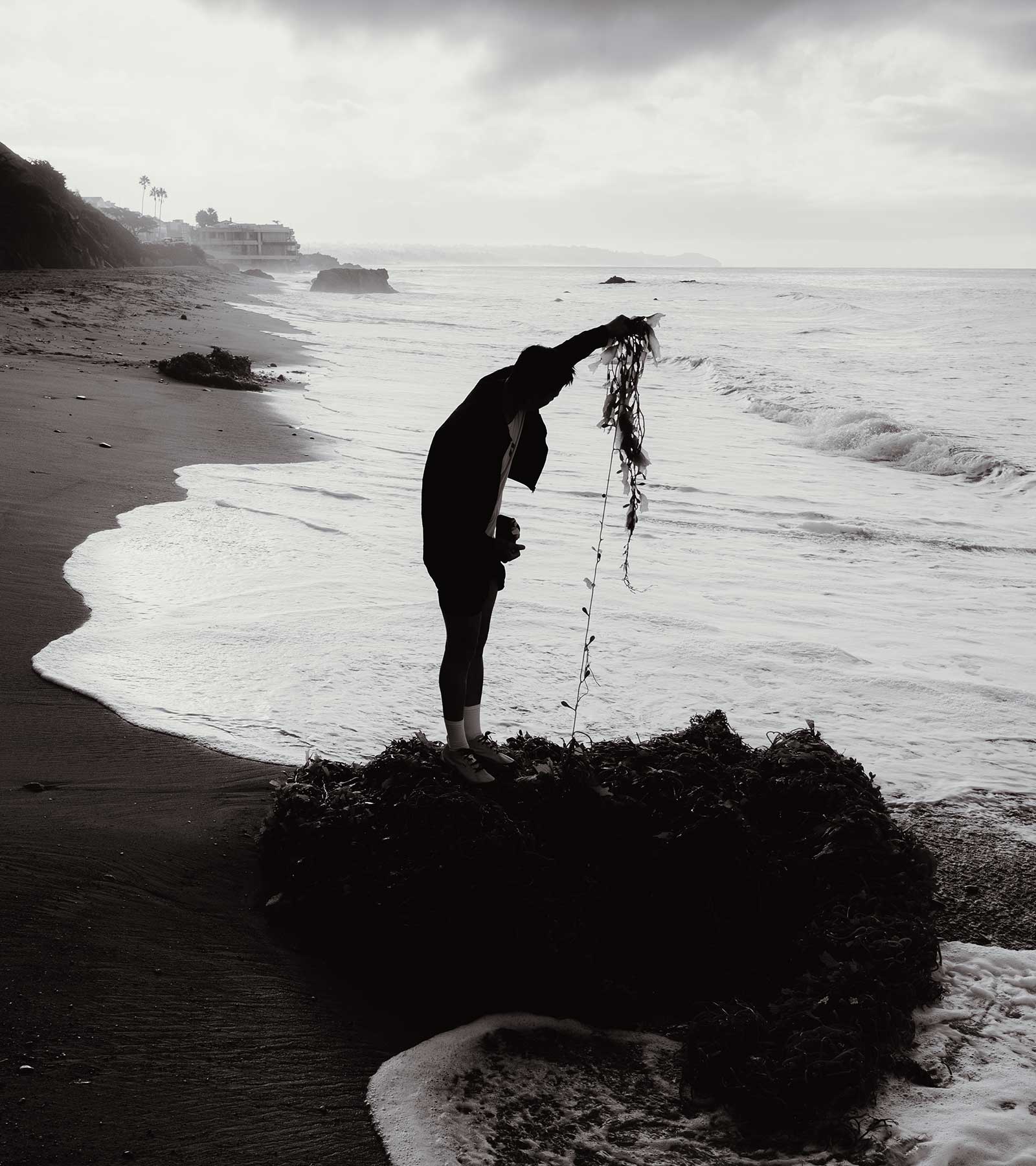
Last September, I found myself with a day to spare in Los Angeles. I used the time to reset and collect ideas — this is part of how I work, giving myself space to notice what usually goes unseen.
That morning I went down to the water before the city woke up. Clear blue sky, sharper than you’d expect. I wasn’t running or riding, just walking and letting my head settle. That’s when I started to pick things up. A twist of seaweed, slimy in the hand. Sand between my fingers. A pebble worn smooth by the tide. I turned it over for a while, then pocketed it.
I noticed the patterns in the rock — faint layered markings, years of compression visible on the surface. The ocean beyond was a deep, shifting blue. I took a photograph on a film camera. Not of anything in particular, just a quality of light I didn’t want to forget. Later I wrote it down — not a colour reference, just a feeling. Cool air, low contrast, that quiet before everything starts.
This is usually where things begin for me. Not with a brief, but with paying attention.

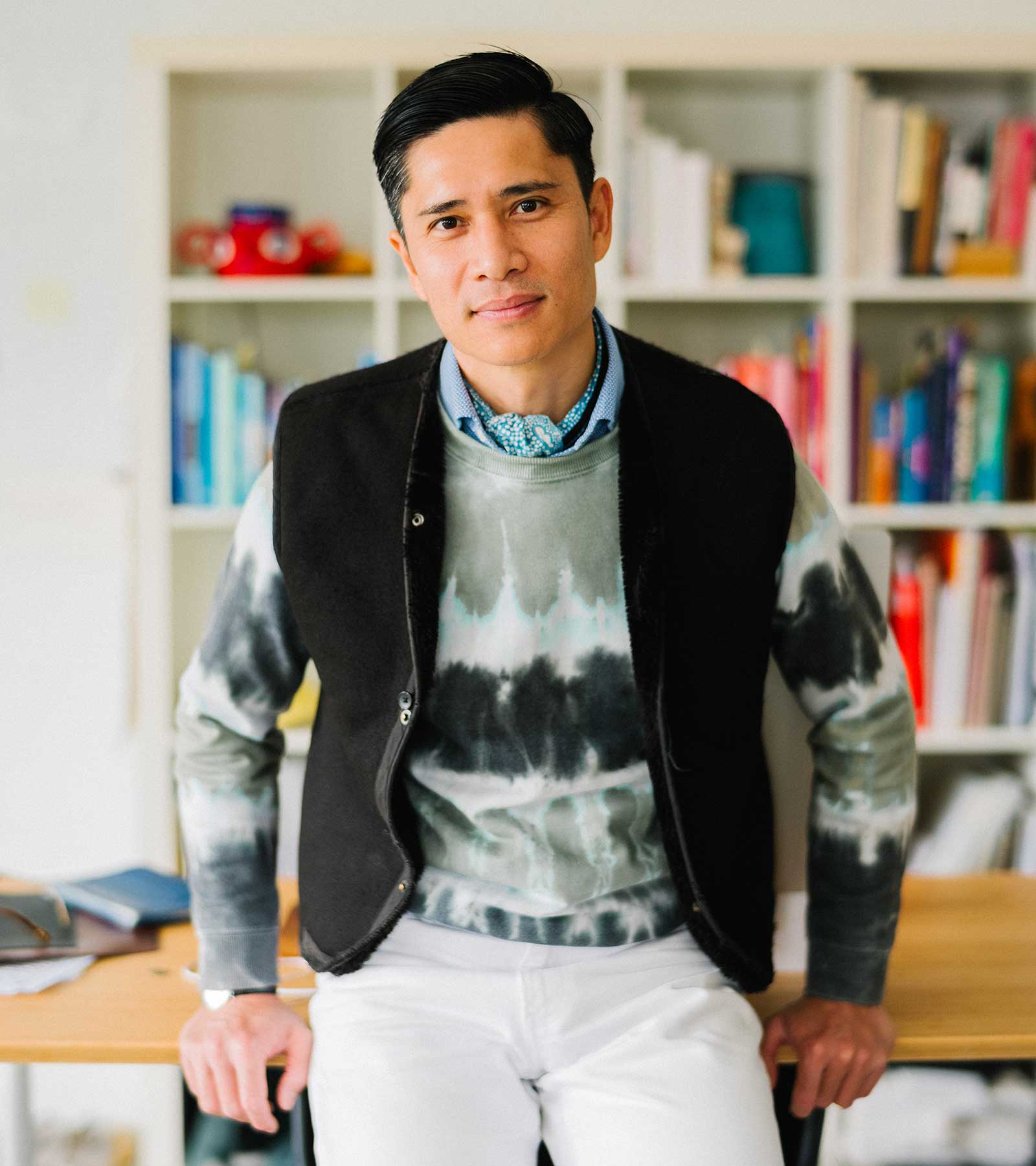
When I founded QUOC in 2009 — worn down by shoes that looked wrong and rode worse on long London commutes — I wasn’t thinking about specifications or performance metrics. I just wanted to make something I could feel good wearing. A shoe that worked, had some personality to it, and meant something beyond the ride. That instinct hasn’t really changed. I still work the same way: picking up small details and letting them find their place when the time comes.
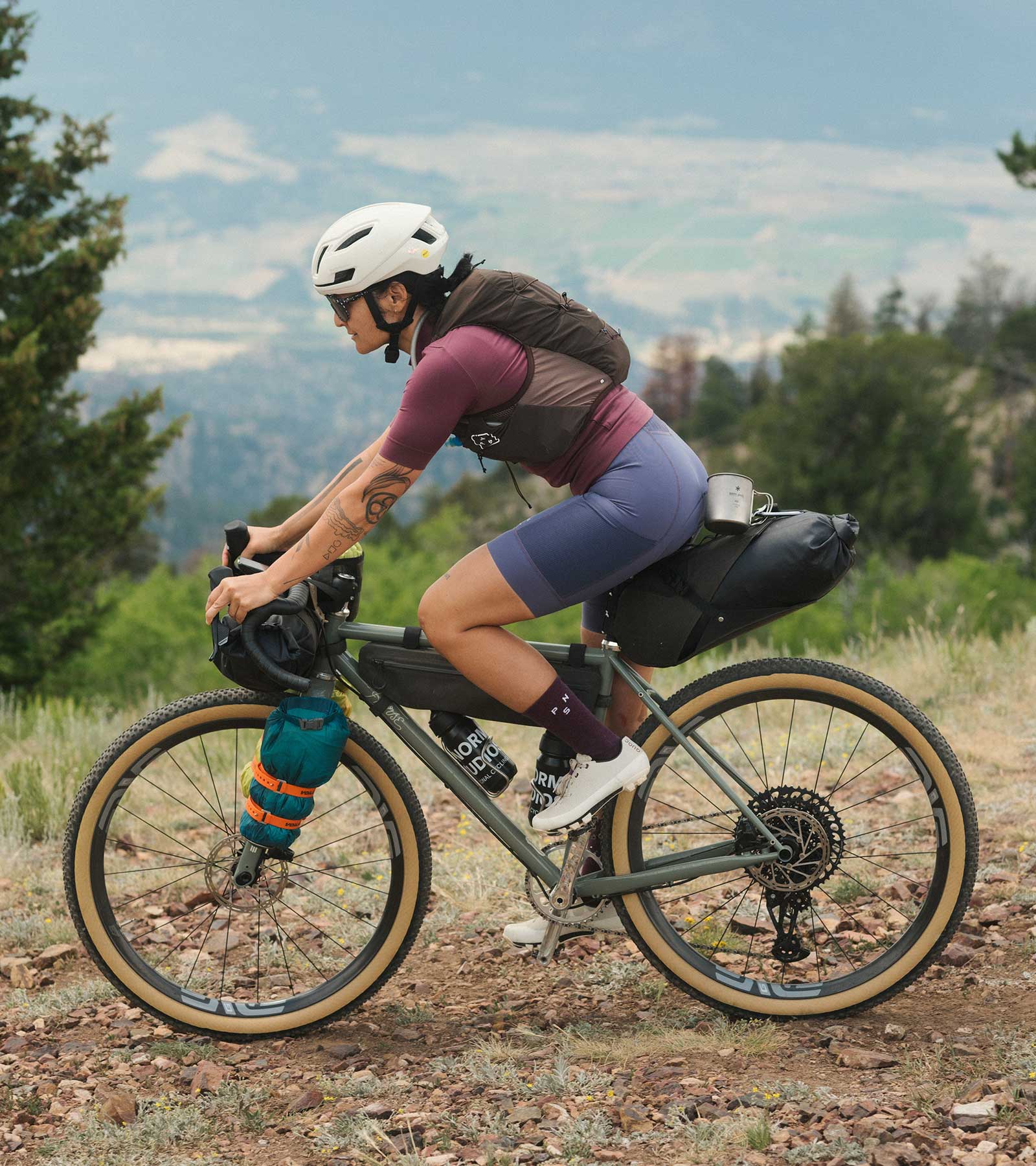
Walking a forest trail I might stop at a mushroom, examining the texture, the colour. Thinking about how it might translate into a material or a tonal shift. Leaves pressed into notebooks. The smell of wet ground. A bit of rusted metal found on a ride, surrounded by wildflowers in unexpectedly bright colours. You never know when something will be useful — sometimes it's the colour of the Pacific at six in the morning, sometimes it’s a single word that describes something you can’t quite see yet.

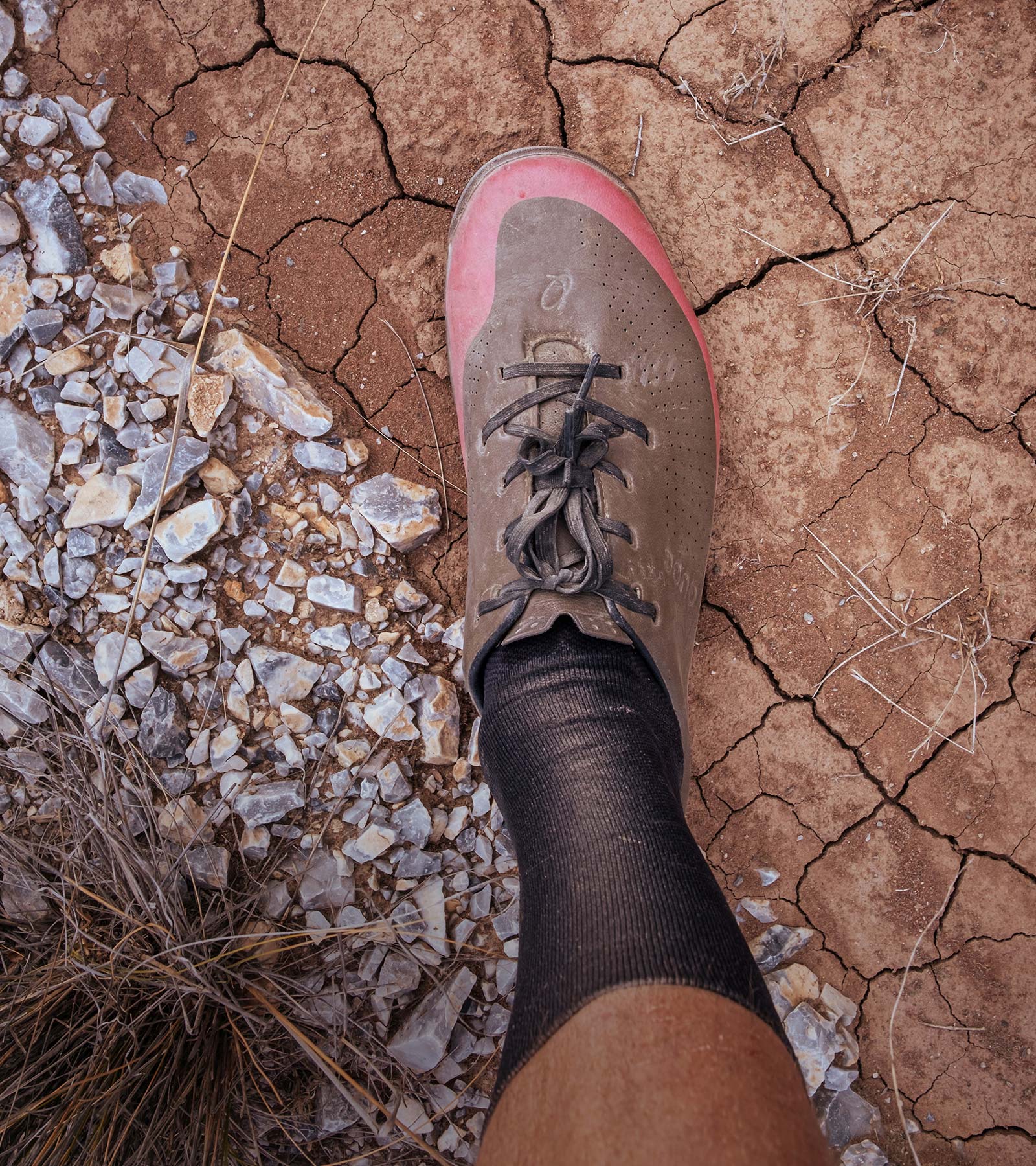
Building QUOC has always been as much about feeling as it has been about strategy. I notice how a shoe has aged over time and what that tells me about the way it’s been used. The sound of a city before rush hour. The quiet of a mountain road. Afternoon light through a workshop window. I don’t want the shoes to shout. The best things rarely do — and that comes from spending more time looking outward than at a screen.
By the time I head back from the water, the light has changed. I pocket one last stone and head back into the city.
Photography by John Kasaian.
Quoc’s Personal Favourites