

CULTURE SERIES
Introducing The Culture Series. A collection of QUOC rider stories that explore the intersection of cycling and lifestyle. From artists and musicians to purveyors of alternative sports, the series will showcase perspectives from some of the most interesting culture-makers in the field.
Justo Heras: A Life Outside the Lines
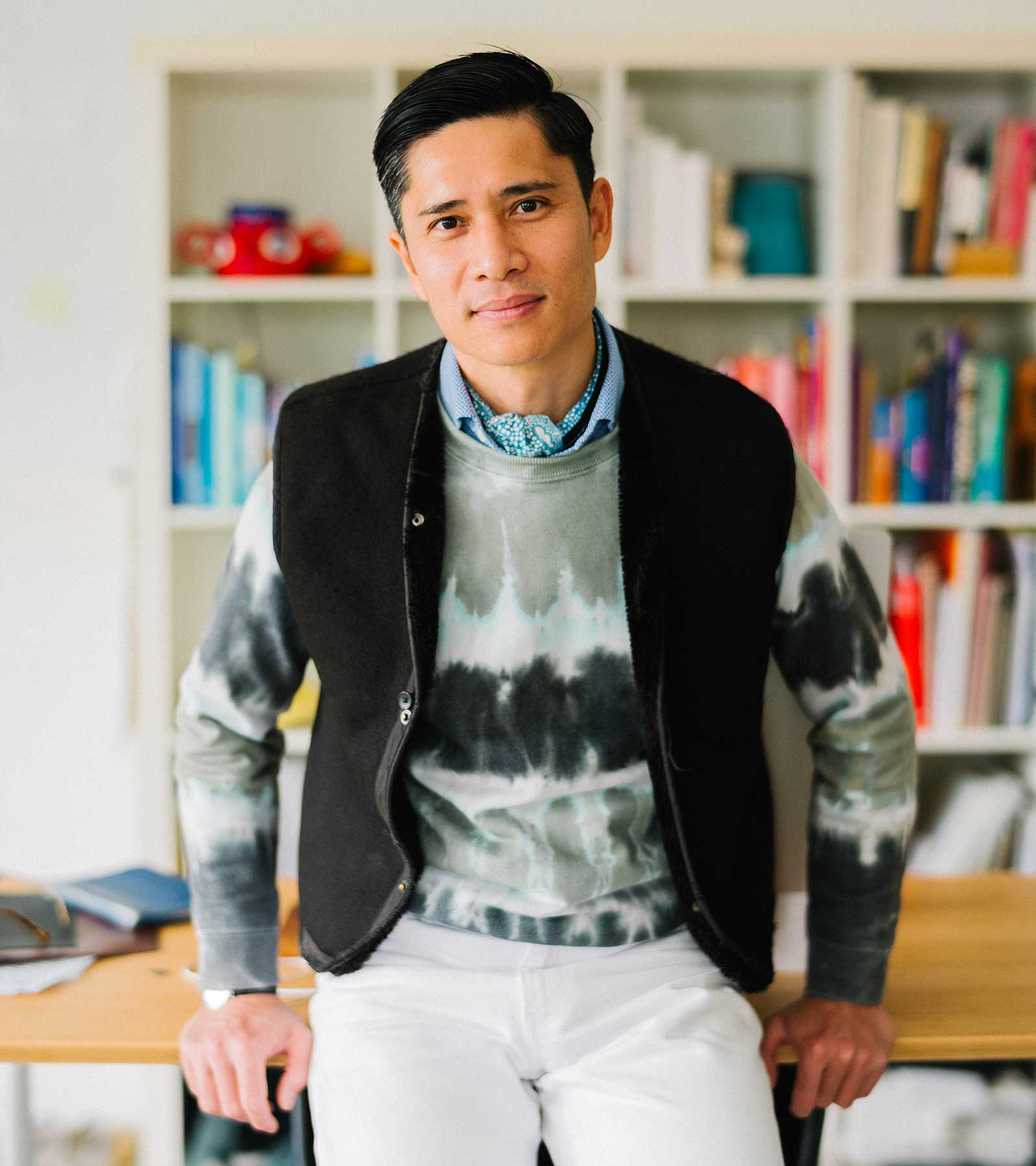
When we speak to Justo Heras, he is fitting creative work around the ordinary business of family life: editing a project, getting the kids to school, working out what the day allows. It is a small glimpse of a life that has taken years to shape. Heras is still making things, still curious, still moving between disciplines. The difference is that he is no longer trying to fit everything into every available hour.

An artist and illustrator, founder of Barcelona streetwear label Laser Barcelona, photographer, filmmaker, cyclist, skateboarder and runner, Heras has never been particularly interested in choosing just one thing. To define him by any single discipline would be to miss what connects them: a curiosity about people, places, objects and the cultures that grow around them.
“I couldn't really push myself into just one thing,” he says. “I'm always back and forth.” A creative project might begin with an illustration and lead to a film, a bike collaboration or a new direction for the brand. The connections are not always planned. They emerge through the process of making things, meeting people and following an idea.
“People forget that they need to have fun.”
- Justo Heras
Built Around The Feeling
Heras began drawing and painting as a child, later developing a practice that moves between illustration, graffiti, murals and graphic design. His visual language draws as much from the playful and whimsical as it does from the raw energy of street culture.
Alongside art ran a parallel life in sport. Basketball and skateboarding shaped his adolescence, while watching the Tour de France became a fixture of his summers spent in the mountains with family. He grew up watching the great riders of the 1990s, including Miguel Indurain, long before he considered himself a road cyclist.
Later, after moving to Barcelona, he was drawn into the city’s emerging fixed-gear scene. Around 2007, inspired by the DIY energy coming from the United States, Heras and a group of friends began hunting for old track frames and assembling their own bikes. Influenced by videos coming out of San Francisco and the wider skateboarding culture, they pieced together something that felt entirely their own. With few established brands making what they wanted, they improvised, experimented and developed their tastes along the way.
Riding soon became more than a hobby. The bikes provided a reason to meet, explore the city, head to the beach and spend time together. There was no particular outcome to pursue, no need to turn the experience into something more. “It was like having this joy about life, like being a kid,” he recalls. “You did not need money, a job or a plan for the future. You needed your friends, a bike and somewhere to go”.

Part of the appeal of the earlier, underground years of fixed-gear was its freedom from commercial ambition. Before sponsorships and racing turned the scene into a bigger industry, it was a world held together by shared interests and friendships. He liked the authenticity of a culture in which people made things because they wanted to, rather than because a market had told them to.
By 2010, the crew had developed its own identity, and Heras began giving it a life beyond the group itself. Laser started with a handful of designs printed on T-shirts, not as a plan to build a clothing company, but as a way to reflect the scene — a moment in time that he and his friends were part of.
“At that time, you just needed your friends, a bike and somewhere to go.”
- Justo Heras
Making It Work
Laser brought together skateboarding, fixed-gear cycling, graphics, music and urban culture. Drawing on the independent influences that shaped his own interests, Heras developed a brand that reflected the energy of these overlapping worlds, giving them a tangible form.
The early years were far less romantic in practice. After his close friend and co-founder left following the first year, Heras spent the next four years largely running Laser himself, overseeing design, production, orders and marketing with limited resources. He poured his savings into the business while watching friends settle into more conventional working lives, with the holidays and financial security that came with them.
Then, in 2014, a break-in cost the business much of its stock. Moving to a new space brought higher rent and further uncertainty. Raquel, his partner, eventually left her job to join him, and together they spent months building a new studio and fitting a small shop into the space downstairs, creating a place where Laser’s identity could be experienced in full.
It took resilience to keep going, but the business also gave Heras a platform to experiment. He made films, worked with analogue cameras and developed a visual language through trial and error. Rather than specialising in one discipline, he continued to move between them.
That instinct still shapes his work, from his annual custom skateboard designs to gravel-bike collaborations with independent frame builders. Each project offers a different way to explore his creative interests, whether through graphics, colour, materials or the stories behind the people and objects involved.

Cycling, Without The Rules
Although the Tour had been part of his life since childhood, Heras was slower to find his place in road cycling. For a long time, he saw it as too conventional, too uniform and too focused on performance. Skateboarding and fixed-gear riding offered a more individual, irreverent way of participating in sport, where personal style and the people around you mattered as much as the activity itself.
His perspective began to change as he encountered people who carried that same spirit into road cycling. A trip to the United States in 2019, where he rode with skateboarder John Cardiel, helped him see how the two worlds could coexist. You could bring the attitude and energy of skateboarding to a road bike; you did not have to leave one identity behind to adopt another.
Independent cycling brands were also beginning to offer a different perspective on clothing, equipment and self-expression. Heras found himself increasingly at home in a culture where smaller companies and creative collaborations could challenge the conventions of the sport.
For him, the details matter as much as the machine itself: the colours, the design, the story behind an object and the people around it. He is interested in the space between performance and aesthetics, where cycling can draw on streetwear, skateboarding and surf culture without losing its own character.
For Heras, that freedom matters. The appeal of any sport, after all, is not just what you achieve through it, but how it makes you feel. “People forget that they need to have fun,” he says. “Even if they are grown-ups.” It's a simple idea, but one he feels can get lost as hobbies become industries, interests become identities and leisure begins to carry the same pressure to achieve as work.
“A project is an opportunity to bring people, references and different forms of creativity together.”
- Justo Heras

Rich In Time
After more than a decade of building Laser, Heras began to question the way he wanted to work. Following 2020, he started reconsidering the constant cycle of collections, launches, trade shows and spending that can come with running a clothing brand.
Rather than stretching himself across every part of the business, he began taking on more selective collaborations and creative projects with other companies, allowing him to focus more on making and experimenting.
Fatherhood changed the shape of his days, too. He now works fewer hours, avoids working weekends and makes space for the school run, family life and sport. Running has become a bigger part of his life than cycling in recent years, largely because it is easier to fit around everything else. He trains several times a week, not to become the best at another discipline, but because movement remains one of his life’s passions.
The change comes with compromises. He may never become rich through working this way, he reflects, but he can be rich in time. And he has become clearer about what success can look like beyond commercial growth. “Do what you want to do, but don’t do too much”, he advises. The cost of being permanently busy is the gradual loss of the spark that made the work worth doing.

The Everyday Ride
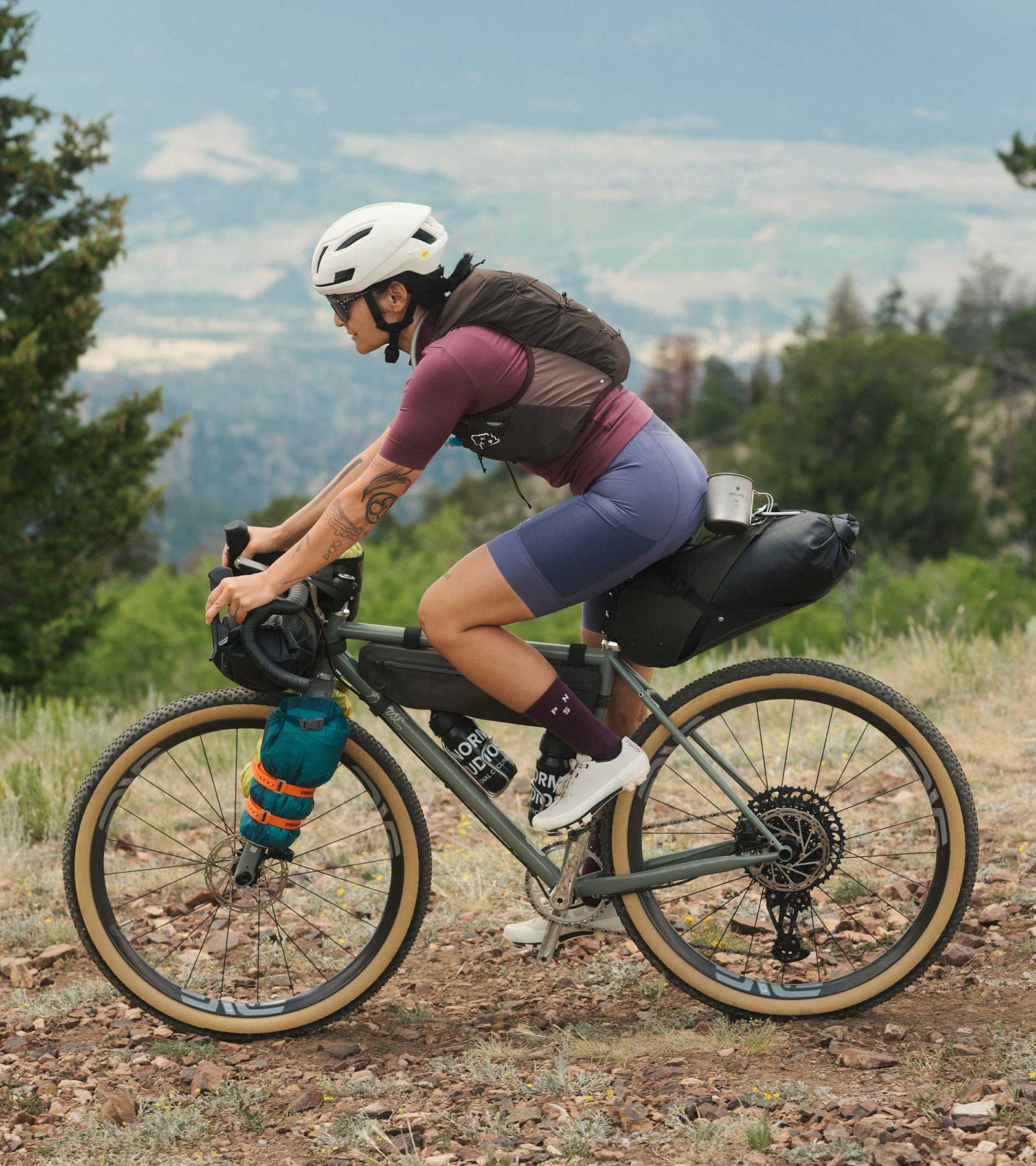
Today, the bicycle has found another role in Heras's life. In Barcelona, he uses it to get around the city and take his children to school and their activities. It is not a training session or a performance goal, but simply the way the family moves through the day.
He wants his children to see cycling as something ordinary and accessible, rather than an expensive hobby that requires the right equipment or identity. A bike can take you to work, the shops, the station or the park. It can be part of everyday life as well as a tool for sport, adventure or achievement. It can be both.
In that sense, his life has come full circle. The crew that inspired Laser was never just about making clothes or riding bikes. It was about creating a world in which friends could make things, spend time together and enjoy being young. The business grew, the responsibilities multiplied, and the work became more serious. Now, after years of persistence, Heras is trying to recover something of that original freedom — not by going backwards, but by making more room for it in the life he has built.
What Justo Wears